
What North Carolina Business Should Watch on Election Night
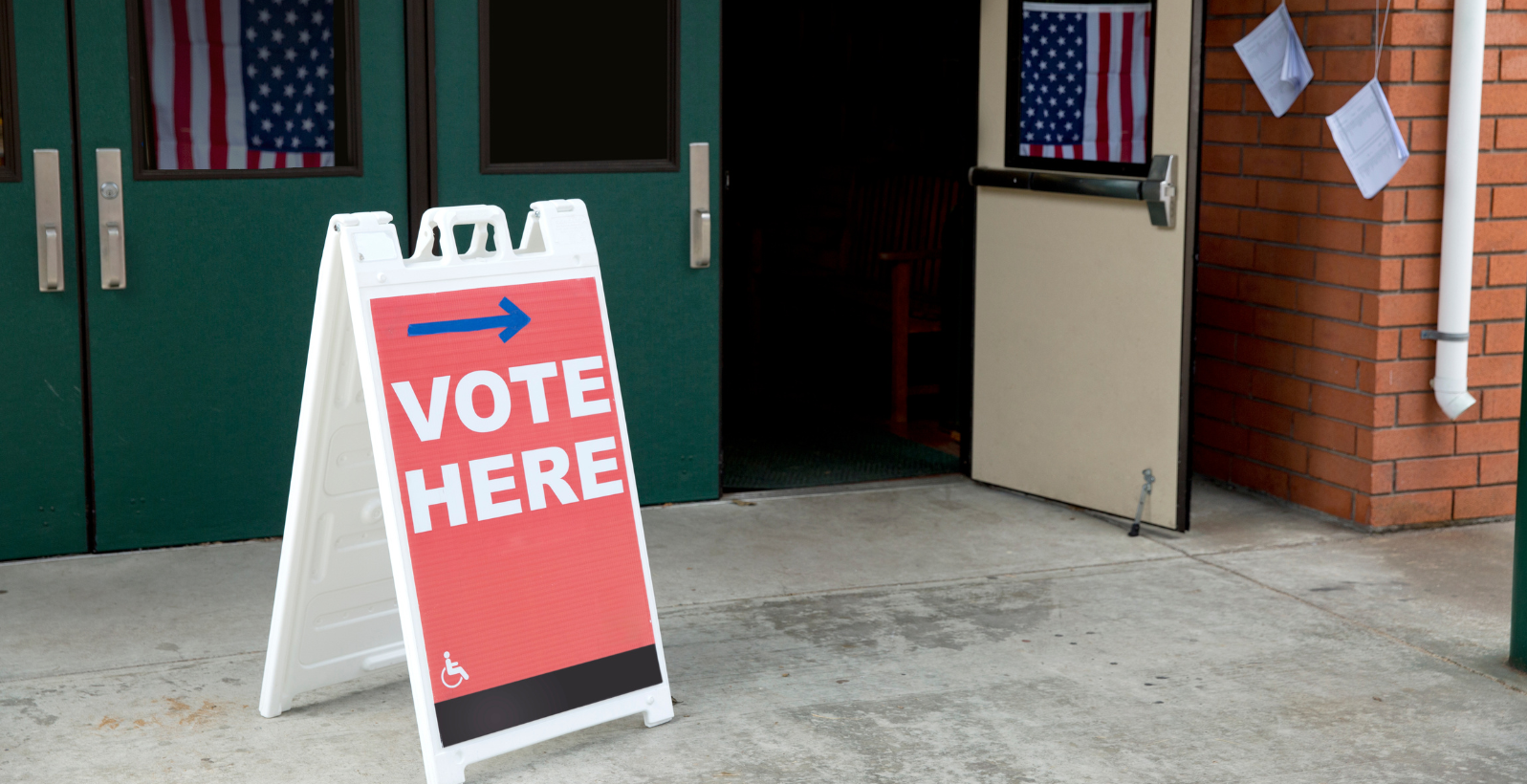
When the polls close on Tuesday, Nov. 3, much of the attention will turn to which party gained ground, which incumbents held their seats, and which challengers prevailed.
For North Carolina’s business community, the bigger question is what those results mean for the state’s economic future.
North Carolina has established itself as a national leader in business competitiveness and sustaining that success will require difficult decisions about workforce development, infrastructure, housing, and the state’s legal climate. The next General Assembly will play a central role in addressing those challenges.
Here are six developments business leaders should be watching on election night.
- The Balance of Power in Raleigh
Every seat in the N.C. General Assembly is on the ballot this year, and the results will determine the political dynamics of the next legislative session.
Republicans currently control both chambers, but the margins matter. The balance of power affects the governor’s veto authority, budget negotiations, legislative priorities, and the ability to advance major policy initiatives.
For employers, the significance extends beyond party control. North Carolina faces decisions that will require sustained attention and collaboration, including how to fund its transportation network, expand energy and water infrastructure, and strengthen the state’s talent pipeline.
Election night will provide the first indication of the political environment in which those decisions will be made.
- New Business Experience Entering the Legislature
The General Assembly benefits from lawmakers who understand the practical challenges of running a business, attracting investment, and managing growth.
Three candidates endorsed by the NC Chamber bring that experience to their campaigns.
Ryan Moffitt, running in Alamance County, has worked on commercial development, land use, and business transactions. Greg Edds, a longtime Rowan County commissioner and business owner, helped establish a partnership aligning education with workforce needs, and Dane Scalise has worked on transportation, utility infrastructure, and economic development issues in New Hanover County.
Their races are worth watching because of the perspectives the next General Assembly could gain.
- The Return of Lawmakers Who Helped Deliver Policy Results
Individual votes matter, but they don’t always tell the full story of how legislation becomes law.
That’s a central premise of the NC Chamber’s new 2026 Legislator Impact Report, which moves beyond the traditional How They Voted scorecard to examine policy outcomes and recognize the legislators who helped achieve them.
Election night offers an opportunity to examine which lawmakers involved in those efforts will return to Raleigh and where new legislative relationships will need to be built.
That matters as North Carolina moves from past policy victories to its next set of challenges. Legislative experience, relationships, and the ability to navigate complex negotiations will remain important to advancing meaningful solutions.
- The Judicial Races That Could Shape North Carolina’s Legal Climate
Judicial contests often receive less attention than legislative races, but their consequences can extend well beyond a single election cycle.
Voters will decide one N.C. Supreme Court seat and three N.C. Court of Appeals seats this November. Appellate judges serve eight-year terms, and their decisions help shape how state laws are interpreted and applied.
For businesses, one important consideration is liability restraint versus liability expansion. Court decisions can affect the boundaries of legal responsibility, the recognition of new claims, and the interpretation of existing liability standards.
Those decisions influence litigation exposure, insurance costs, and the predictability employers need to make long-term investments.
The NC Chamber has identified achieving a top-10 legal climate as a long-term priority. An independent judiciary that applies the law fairly and consistently is an essential part of that environment.
- The Policy Challenges Waiting After Election Day
Regardless of the final results, the next General Assembly will inherit significant economic challenges.
As outlined in the NC Chamber’s 2026 Legislator Impact Report, North Carolina must address the infrastructure and workforce demands accompanying its continued growth.
That means establishing sustainable transportation funding, ensuring reliable energy and adequate water and wastewater capacity, expanding housing availability, and better aligning education and training with employer needs.
It also means capitalizing on emerging opportunities, including defense technology and manufacturing, while strengthening the legal environment for business investment.
These policy discussions influence where companies invest, whether communities can accommodate new jobs, and how effectively North Carolina can compete for the next generation of economic opportunity.
- Constitutional Amendments with Economic Implications
Beyond the candidate races, North Carolina voters will decide three proposed constitutional amendments, including two with direct implications for tax policy.
One would reduce the maximum allowable state income tax rate from 7% to 3.5%. Another would require the General Assembly to establish limits on increases in local property tax levies.
Both raise questions about tax competitiveness, government revenues, and the resources available to support infrastructure and public services. The property tax proposal is particularly relevant as growing communities confront demands for roads, utilities, and other investments.
For employers, the results will help establish the fiscal framework within which state and local leaders make future decisions.
The Real Test Comes After November 3
Election night will determine who represents North Carolina in Raleigh. It won’t resolve the challenges facing the state’s economy.
North Carolina has proven it can attract growth. Now it must prove it can support it.
For the business community, the real significance of the 2026 election is not simply who wins, but whether those elected can make the decisions necessary to sustain North Carolina’s competitive advantage.
For more information about the NC Chamber’s political program, contact Jake Cashion.