
NC Chamber Foundation Releases New Research on North Carolina’s Maritime Assets and Supply Chain Competitiveness
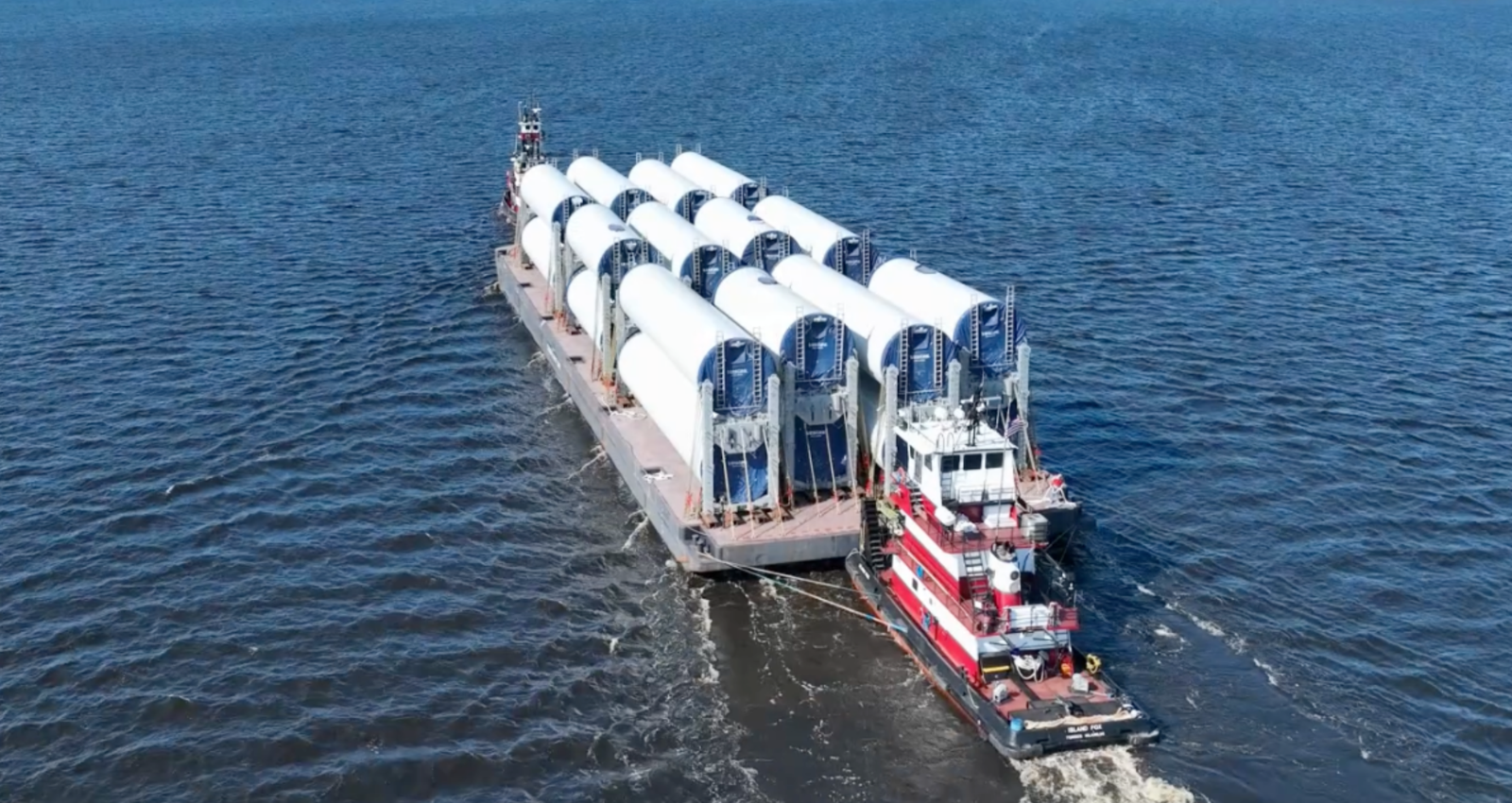
North Carolina’s maritime economy extends far beyond the ports of Wilmington and Morehead City. New analysis from the NC Chamber Foundation explores how the state’s broader maritime assets including inland waterways, working waterfronts, marine industries, ferry routes, coastal infrastructure, research institutions, and mariculture all support supply chain resilience and long-term economic competitiveness across North Carolina.
Released as part of the Foundation’s strategic supply chain assets research series, North Carolina’s Maritime Assets: Working Waterfronts, Waterways, and Supply Chain Competitiveness examines how maritime infrastructure supports business growth across industries ranging from manufacturing and defense to agriculture, energy, and logistics, while identifying opportunities to bolster North Carolina’s existing maritime economic ecosystem.
North Carolina’s Maritime Assets Working Waterfronts, Waterways, and Supply Chain Competitiveness
Key Takeaways
- North Carolina’s robust maritime economy includes inland waterways, ferry routes, working waterfronts, marine industrial sites, boatbuilding and repair facilities, seafood and shellfish businesses, defense suppliers, coastal research institutions, and water-adjacent freight infrastructure.
- Maritime infrastructure creates value by helping businesses move freight, strengthen defense manufacturing, support seafood and aquaculture, maintain critical transportation connections, and enable major industrial and energy projects.
- Many maritime assets already support established industries, while others present opportunities for future growth through targeted investment in workforce, industrial site infrastructure and inventory, channel maintenance, cold chain infrastructure, permitting, and capital.
Why it Matters
North Carolina’s maritime competitiveness depends on more than its ports. Strengthening the broader maritime ecosystem can improve supply chain resilience, expand industrial and defense capabilities, support seafood and marine manufacturing, strengthen coastal communities, and create new opportunities for economic growth. A supply chain-focused approach helps identify where investments in infrastructure, workforce, and industrial capacity can produce measurable business outcomes rather than simply expanding waterfront development. By viewing maritime assets as an integrated statewide ecosystem, North Carolina can better prioritize investments that improve competitiveness and support long-term economic development.
If you have questions about the report or are interested in engaging more on this topic, please reach out to NC Chamber Foundation Senior Director of Infrastructure Competitiveness Dana Magliola.
About the Series
North Carolina’s economic competitiveness depends on a complex network of transportation, logistics, industrial, and infrastructure assets that move goods and people, connect markets, and support business growth across every region of the state. As supply chains evolve and demand for efficient industrial production and freight movement increases, understanding how these systems function together is increasingly important for long-term economic planning.
As part of its ongoing research on North Carolina’s long-term infrastructure competitiveness, the NC Chamber Foundation is examining the state’s supply chain and logistics assets and how they support business growth. Read more here.