
What the NC Chamber Is Watching as the 2026 Election Gets Underway
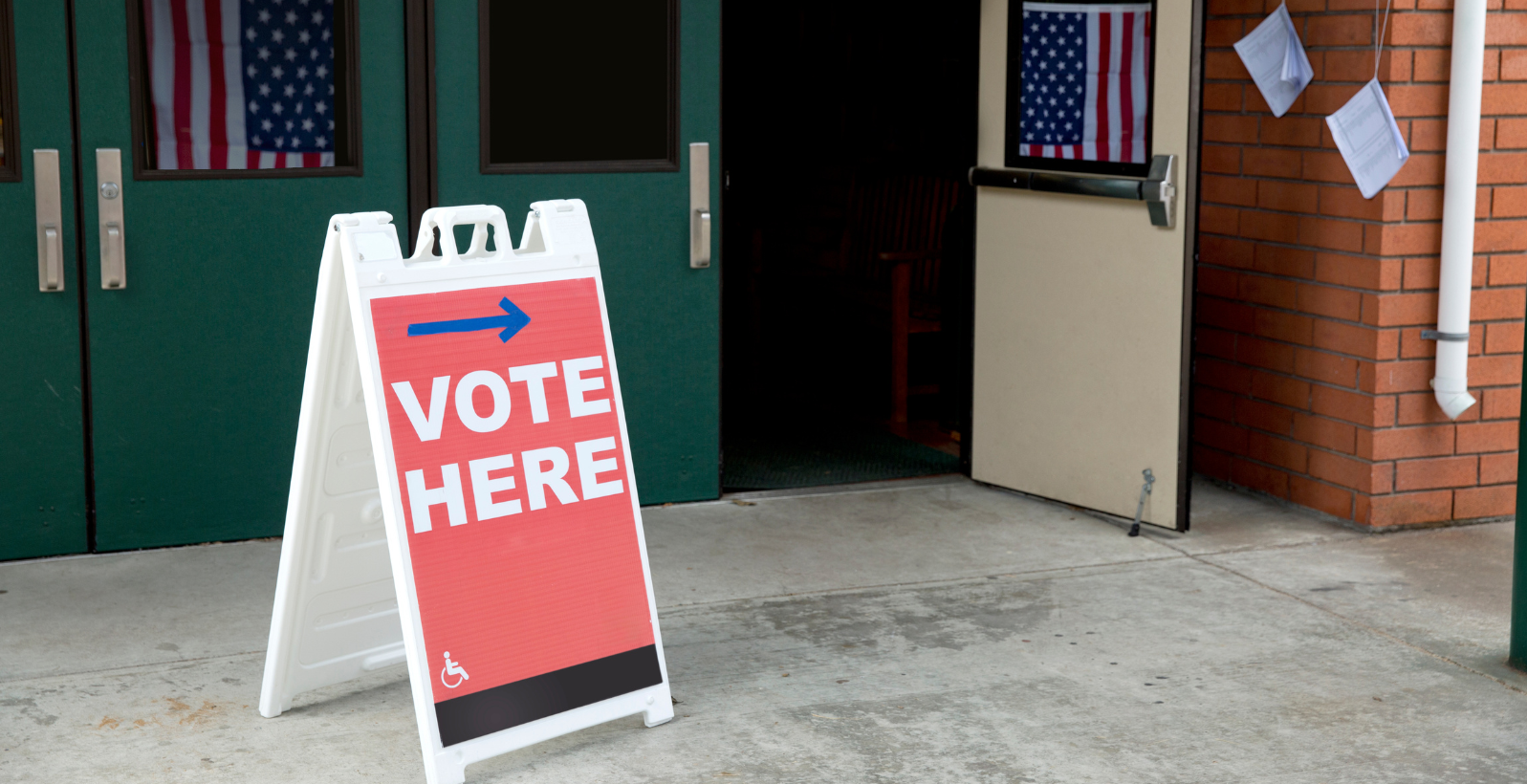
North Carolina’s 2026 election is underway. While campaigns, understandably, focus on candidates, personalities, and politics, the NC Chamber is watching the issues that will determine whether North Carolina remains competitive for people, jobs, and investment.
We make no secret of the fact that we work to elect pro-business legislators who understand what it takes to grow our economy and keep North Carolina competitive. But when the votes are counted, we will work with whoever North Carolinians elect to advance policies that keep our state a top destination to live, work, invest, and build a business.
Elections may change who is making the decisions, but the fundamentals of competitiveness don’t change with them.
As voters begin making their choices in the 2026 election, here are six business issues we’ll be watching.
Can North Carolina continue attracting and developing the talent employers need?
For employers across industries, access to talent remains fundamental to growth. But the workforce conversation has expanded.
Not only are we preparing people for in-demand jobs, housing, childcare, transportation, and other barriers can determine whether someone can enter the workforce, remain in it, or relocate for an opportunity.
North Carolina’s next generation of leaders will need to prioritize both developing a world-class talent pipeline while making it possible for people to participate in it.
Can our infrastructure keep pace with opportunity?
Companies considering North Carolina need reliable and affordable energy, transportation and logistics networks, water capacity, broadband, and infrastructure that can accommodate investment and expansion.
Traditional transportation funding models are under pressure, while the cost and complexity of building major infrastructure continue to rise. The NC Chamber has long advocated for modernizing and diversifying the way North Carolina funds its transportation network.
Meeting the state’s future infrastructure needs will require more than identifying projects. It will require difficult decisions about how we fund them, where we invest, and how we leverage public and private dollars to deliver infrastructure more efficiently.
We’ll be watching whether candidates are prepared to have that conversation and treat infrastructure not simply as a public expense, but as a long-term investment in North Carolina’s economic competitiveness.
Will North Carolina protect its tax and regulatory advantage?
North Carolina has spent years building a highly competitive business climate and maintaining it requires continued attention.
Tax policy directly affects the cost of doing business and investment decisions. The NC Chamber continues to support elimination of the state franchise tax, which taxes businesses based on net worth rather than profitability.
Regulatory certainty matters, too. Permitting and regulatory processes should allow responsible investment to move forward efficiently while giving businesses the predictability necessary to make long-term decisions.
The question isn’t simply whether North Carolina is competitive today, but whether we are making decisions that will keep us competitive tomorrow.
Will North Carolina compete for the industries shaping the next economy?
Artificial intelligence, advanced manufacturing, quantum computing, digital infrastructure, and other emerging technologies are reshaping the economy and creating significant opportunities for North Carolina.
Competing for that investment requires more than attracting individual projects. These innovative industries need reliable and affordable energy, modern digital and physical infrastructure, a skilled workforce, efficient permitting, and a policy environment that provides certainty while allowing innovation to move forward.
Heading into the election, we’ll be watching how candidates approach the policies and investments that will determine whether North Carolina is positioned to lead in the industries shaping the next era of economic growth.
Will our legal and labor climate remain predictable?
Companies invest where they understand the rules of the road.
A predictable legal environment and North Carolina’s longstanding Right-to-Work status are important pieces of that equation.
Earlier this year, NC Chamber President and CEO Gary J. Salamido issued a statement regarding Senate Bill 1082, an act to amend the Constitution of North Carolina to ensure the right to work for all North Carolinians.
“No one in North Carolina should have to join a union or pay union dues just to hold a job. North Carolina has protected the right to work without mandatory union membership since the 1940s. SB 1082 would enshrine that protection in the state constitution. To be clear, this amendment does not make unions illegal. It does, however, protect our workers and preserve one of North Carolina’s longstanding competitive advantages.”
North Carolina recently became the first state in the nation to prohibit third-party litigation investment, an example of how legal policy can affect the environment in which businesses operate.
As we look toward the next General Assembly, we’ll continue watching the policies that affect employers’ legal exposure, labor environment, and ability to plan and invest with confidence.
Can North Carolina turn its military strength into economic strength?
North Carolina has extraordinary military assets, along with a strong manufacturing base, world-class research universities, a growing technology sector, and companies capable of solving some of our nation’s most difficult security challenges.
The opportunity is connecting those assets.
Through First in Defense, the NC Chamber is working to strengthen North Carolina’s defense economy by bringing together businesses, military leaders, researchers, universities, policymakers, and economic development partners.
At both the state and federal levels, we’ll be watching policies that affect defense investment, innovation, manufacturing, technology, and the broader industrial base.
The Question Beyond Election Day
Election Day matters and the NC Chamber will continue working to elect leaders who understand the needs of North Carolina’s business community.
But our commitment isn’t tied to an election cycle. When the campaigns end, the fundamental question remains, will the policy environment allow North Carolina businesses to invest, hire, innovate, and compete?
That’s the standard we’ll continue bringing to the conversation, before November 3, after November 3, and throughout the next legislative session.
To learn more about how you can engage with the NC Chamber Political Program, contact Jake Cashion.