
Data Centers and North Carolina's Competitive Future
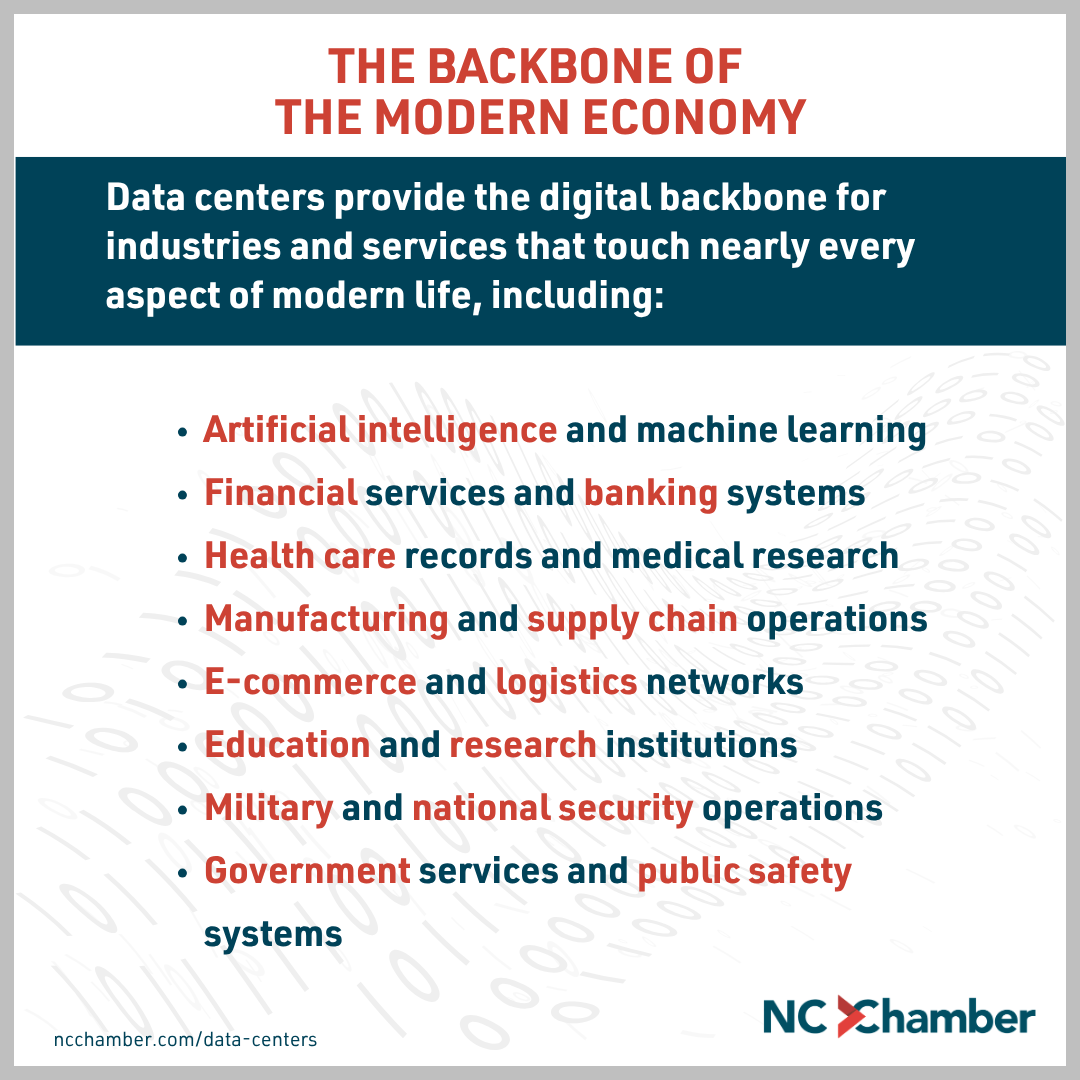
As communities consider new projects, the central question is how North Carolina can continue attracting this investment while maintaining reliable, affordable infrastructure and community vitality. Like transportation, water, electricity, and broadband, digital infrastructure is essential to a competitive economy.
North Carolina's Digital Infrastructure Advantage
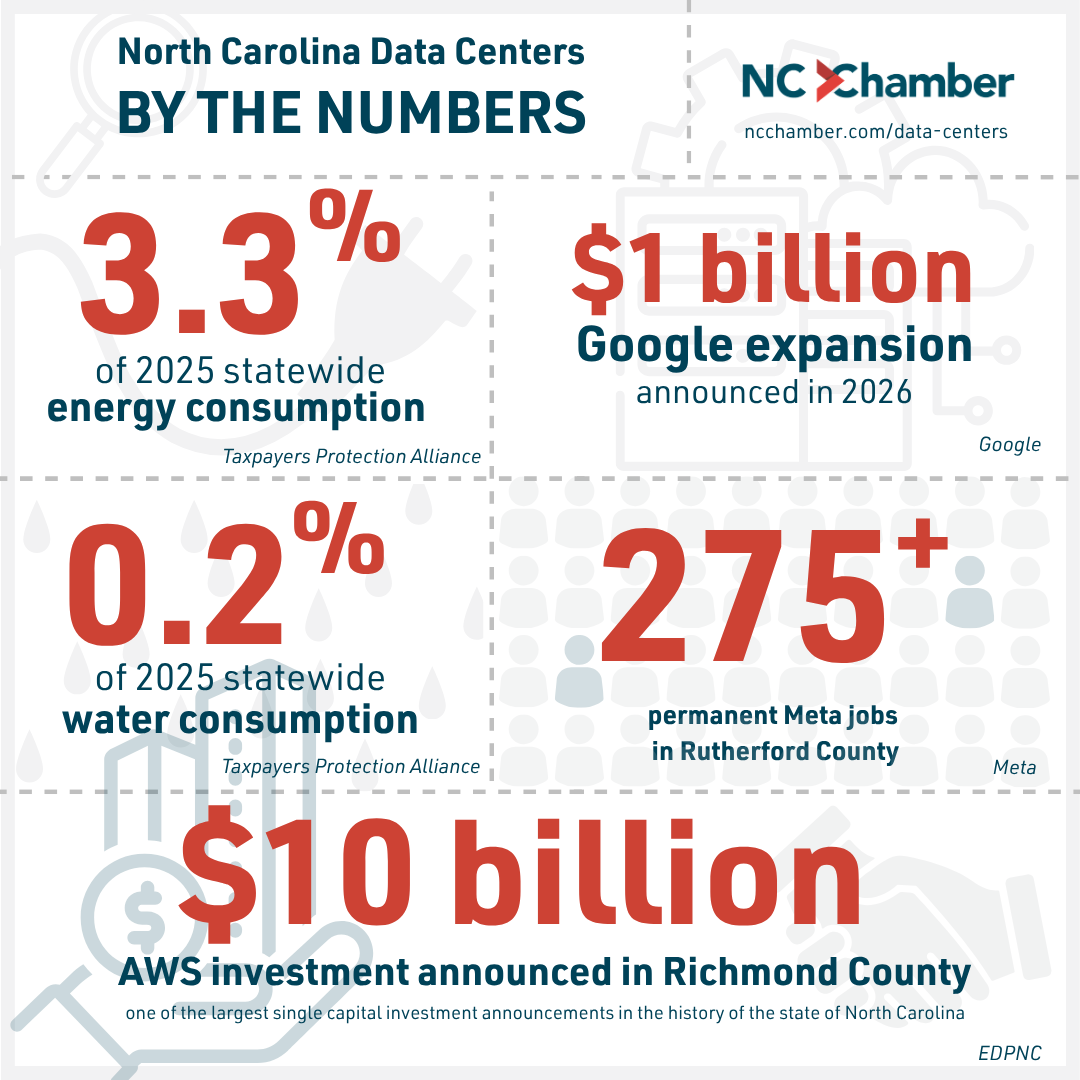
North Carolina is already one of the nation’s leading destinations for digital infrastructure. Companies including Apple, Google, Microsoft, Meta, AT&T, Disney, T5 Data Centers, and Ensono have invested billions across the state.
These facilities support cloud computing, communications networks, and the data-intensive industries driving the next generation of growth, while strengthening the competitiveness of employers far beyond the data center industry itself.
Managing Growth Responsibly
Like any major infrastructure investment, data center development requires clear expectations and disciplined planning. Impacts vary by location, project design, cooling technology, and infrastructure needs.

National Security
America has long understood the importance of producing our own food, generating our own energy, and manufacturing critical defense technologies. Increasingly, we should think about digital infrastructure the same way.
Data centers support military operations, cybersecurity, emergency response, financial systems, government services, and the technologies that will shape the future economy.
The question isn’t whether this infrastructure will be built. It’s whether America chooses to build it here. North Carolina has an opportunity to help secure the digital backbone of the nation’s economy—and its national security.

Energy
North Carolina’s diverse energy generation portfolio has been a historic competitive advantage for the state in attracting and retaining industries and jobs. As we look ahead, how we continue to plan and manage for the future will be critical to maintaining reliable, affordable power for households and businesses.
North Carolina already has tools—including minimum demand provisions, upfront capital contributions, and customer-specific infrastructure requirements—to align infrastructure costs with large customers’ needs while protecting existing residential and small-business ratepayers.
Recent research found no evidence that data centers have historically shifted costs to other customers under existing rate structures. Regulators and utilities are also continuing to refine planning and safeguards as demand evolves.
Water
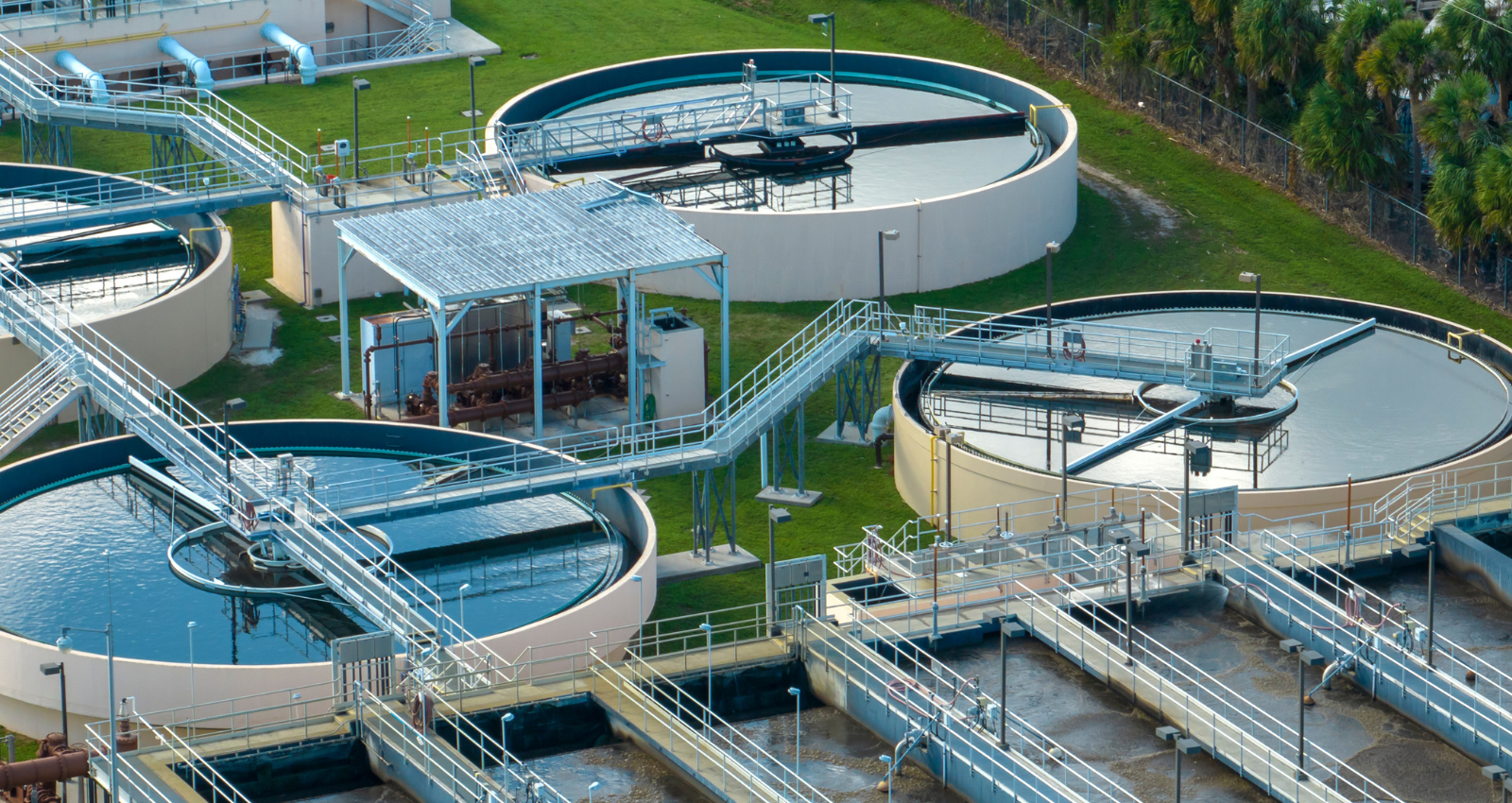
Water use is an important local consideration, but actual impacts vary depending on cooling technology, climate, and facility design. Advances in water reuse, closed-loop cooling systems, and efficiency measures continue reducing demand while helping communities manage long-term resources.
Noise
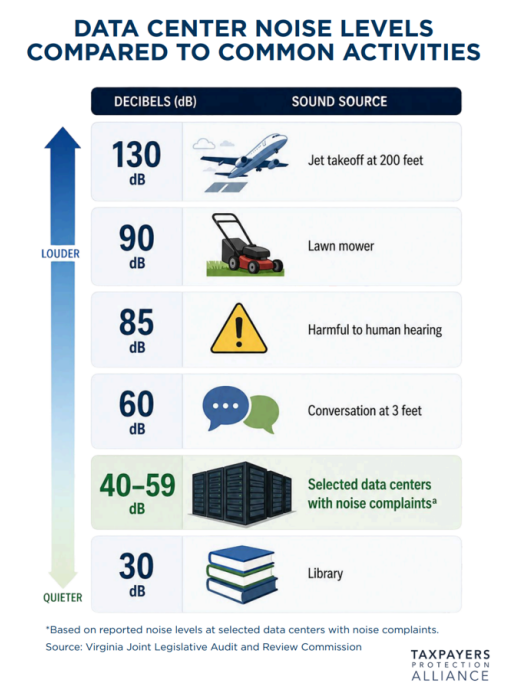
While noise is a real and understandable concern for communities near large industrial facilities, the evidence suggests data center noise is often overstated in public debate.
A comprehensive 2024 review by Virginia’s Joint Legislative Audit and Review Commission — the most thorough independent analysis to date — found that data center noise levels, even at facilities that had generated resident complaints, are generally comparable to ordinary background sounds. Levels are typically closer to a library or a quiet conversation than to sources considered harmful to human hearing. As with any large facility, siting decisions, sound barriers, and local noise standards play an important role in ensuring that new projects are good neighbors.
Economic and Community Value
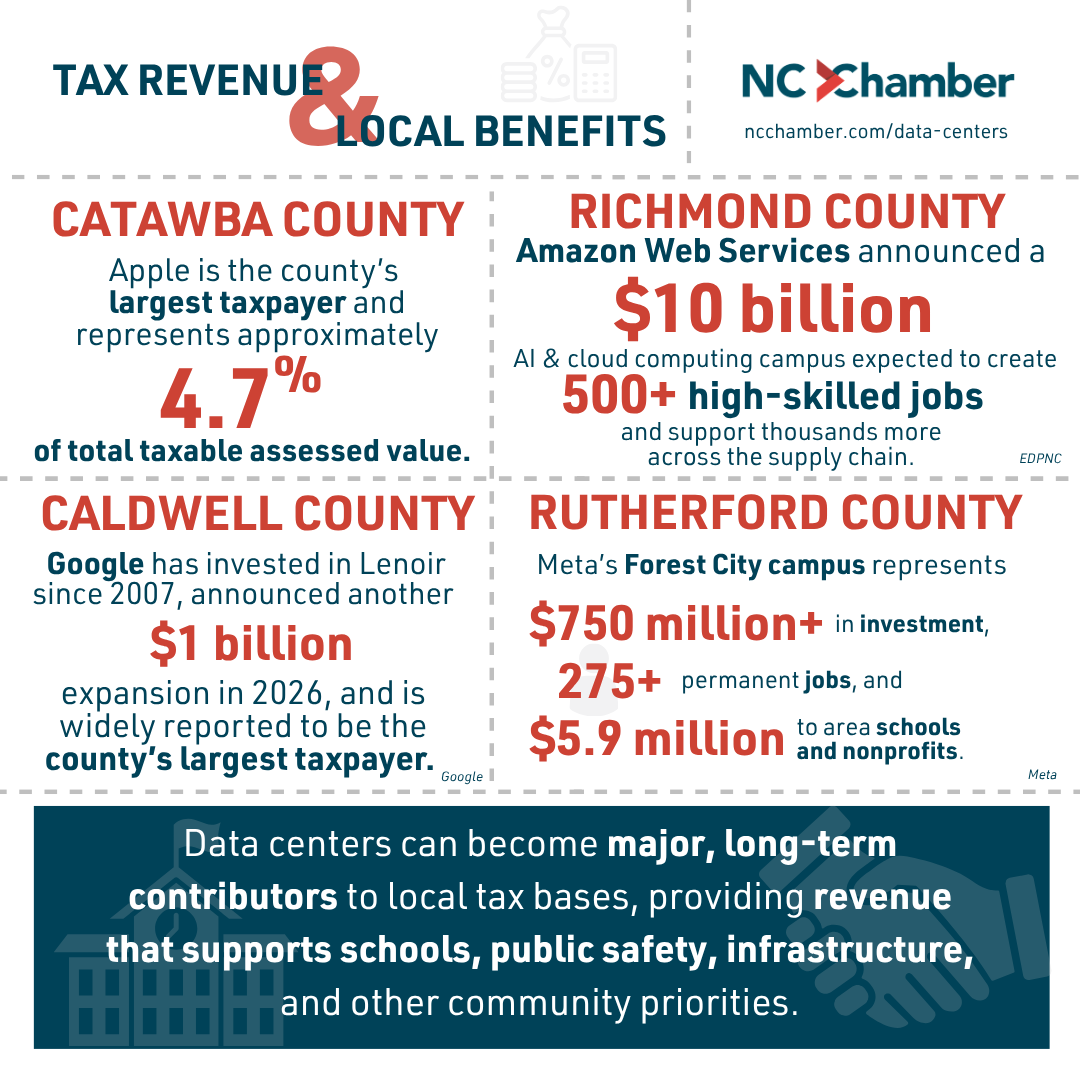
Data centers generate long-term value through private investment, property taxes, construction activity, supply-chain spending, and high-skilled careers. As major, long-term contributors to local tax bases, they privide revenue that supports schools, public safety, infrastructure, and other community priorities.
The scale and mix of benefits vary by project, but communities across North Carolina, and the state, are already seeing tangible results. Data centers contributed $18.45 billion to the state’s GDP in 2024 and $1.39 billion in state and local tax revenue the same year, enough to fund nearly half of North Carolina’s education services.

Jobs and Workforce
Nationally, 5.5 million jobs are supported by the data center industry. While permanent staffing varies by facility, data center careers span electrical systems, HVAC, networking, cybersecurity, engineering, facility operations, and skilled trades. The average annual U.S. salary for a Data Center Technician/Engineer is $85,612, and the average technician salary in North Carolina is $103,289.
At the national level, each direct job in the data center industry supports more than 4.5 jobs elsewhere in the U.S. economy.
Operators in our state are partnering with community colleges and workforce organizations to create pathways into these careers and build the technical talent needed to support the state’s digital economy.
Dig Deeper: Research and Resources
In the News: What are they saying?
- Carolina Journal: Local data center moratoriums may carry statewide consequences
- Duke Energy: Data center growth will deliver billions of dollars in customer savings
- Badger Institute: Data centers could be a godsend — if communities let them
- WRAL: Why one North Carolina county said yes to Amazon’s $10 billion data center
- PBS North Carolina: What Happened When Apple Built a Data Center in This NC Town | State Lines Special
Economic Impact: What role do data centers play in the economy?
- The Data Center Coalition: 2026 PwC Report Economic contributions of U.S. data centers, 2023-2024
- DataBank: The Truth About Data Centers
Energy and Electricity: How do data centers affect the electric grid and customer rates?
- Energy + Environmental Economics: Understanding the Drivers of Rising Electricity Rates and the Role of Data Centers
Water: How much water do data centers actually use?
- Taxpayers Protection Alliance: Data Centers in North Carolina: What You Need to Know
Noise: What do we know about data center sound levels?
- Taxpayers Protection Alliance: Drowning Out the Noise on Data Centers
- Virginia JLARC: Data Centers in Virginia — 2024 Comprehensive Review
National Security: Why are data centers becoming a national security issue?
- Data Center Coalition: How Data Centers Support U.S. National Security
- OpenAI: PRC-linked influence operations are targeting AI debates in the US
Community Impact: What do data centers mean for North Carolina communities?
- Catawba County: Apple accounts for approximately 4.7% of the county’s total taxable assessed value.
- Caldwell County: Get to know Lenoir’s data centers
- Rutherford County: Meta’s Forest City Data Center
- Richmond County: Amazon Web Services
Workforce and Careers: What career opportunities do data centers create?
- NC Chamber powered by data from the Indeed Hiring Lab: The Data Center Job Boom is Real
- The Brookings Institute: New evidence on data center employment effects
- NC State University: Data Center Technician / Engineer
The Path Forward
Data centers are foundational to the industries that will drive the next era of economic growth, including artificial intelligence, advanced manufacturing, health care, financial services, research, and national security. With clear expectations and thoughtful infrastructure planning, North Carolina can realize the economic and community benefits of this investment while managing growth responsibly.