
Salamido and Timmons: N.C. Manufacturing Shows Federal Policies Paying Off
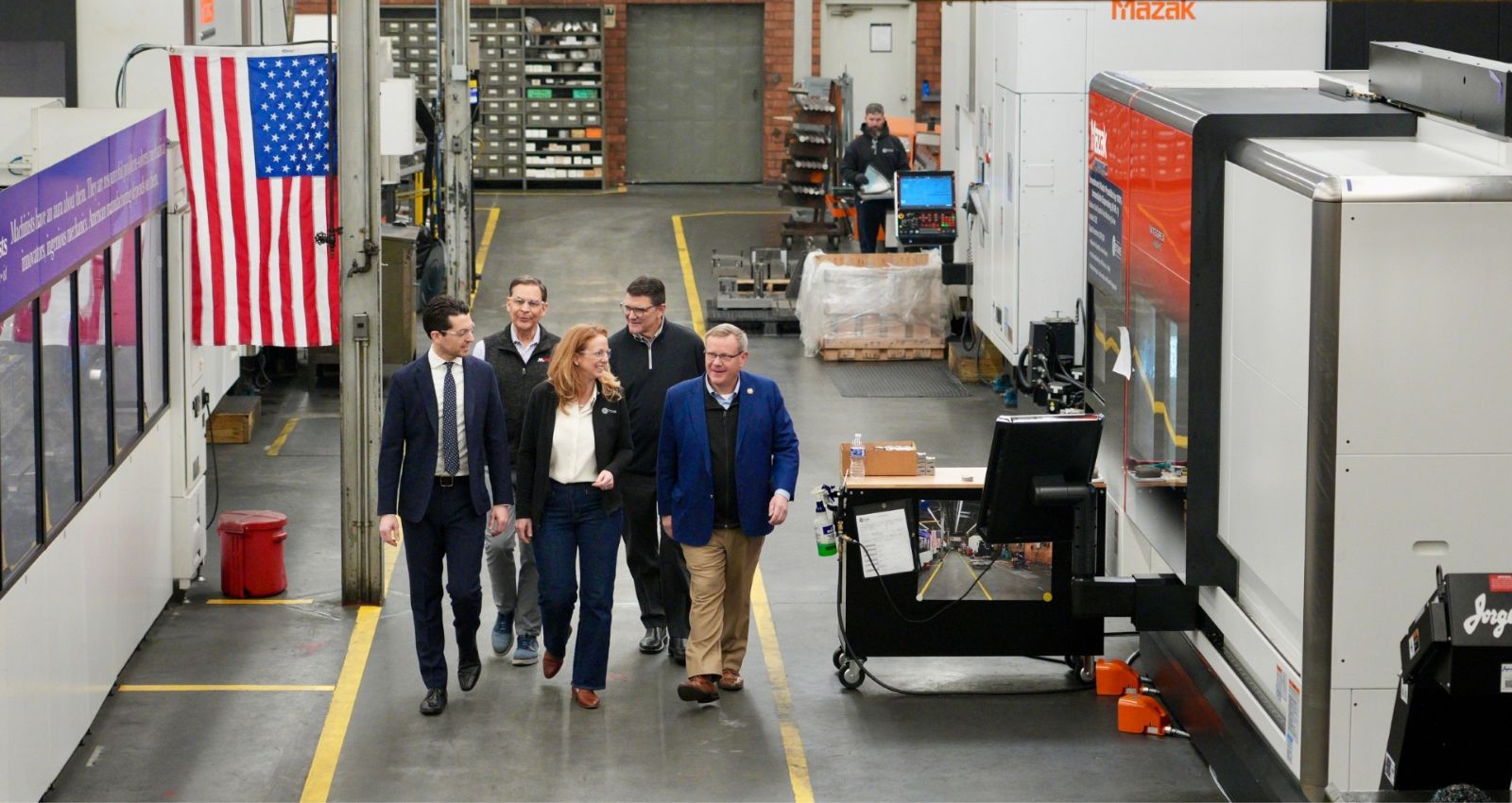
The following op-ed was co-authored by NC Chamber President and CEO Gary Salamido and National Association of Manufacturers President and CEO Jay Timmons. It originally appeared in the Independent Tribune on March 5, 2026.
At a precision machine shop outside of Charlotte, Courtney Silver oversees the work her company has been doing for three generations: machining parts for large manufacturers across the country — from the railroad industry to agriculture equipment, energy infrastructure, satellites and motors used by the U.S. Navy and mining industry.
Three generations is a long time — long enough to know the difference between struggling through downturns and prosperity that comes when a business, a family and a community are given the tools to succeed.
Silver, president and owner of Ketchie Inc., is certain about the policies that lead to those prosperous times. When Silver testified before Congress last year, she described what happens when we align our tax code with our industrial grit, the kind that has powered plants like hers for generations. Many of those policies were found in the Tax Cuts and Jobs Act enacted in 2017.
After the TCJA passed, Ketchie experienced its best year in its seven-decade history. Silver was able to invest more than $1 million in new equipment, allowing her to keep up with the surge of demand from customers in the railroad, heavy machinery and road construction equipment industries, who were likewise experiencing record years thanks to tax reform. She expanded her shop floor workforce by 20%, providing well-paying jobs to members of the community.
Stories like Ketchie played out across the nation: pro-growth policies like equipment expensing and the pass-through deduction translate directly into more jobs and community prosperity — in North Carolina and beyond.
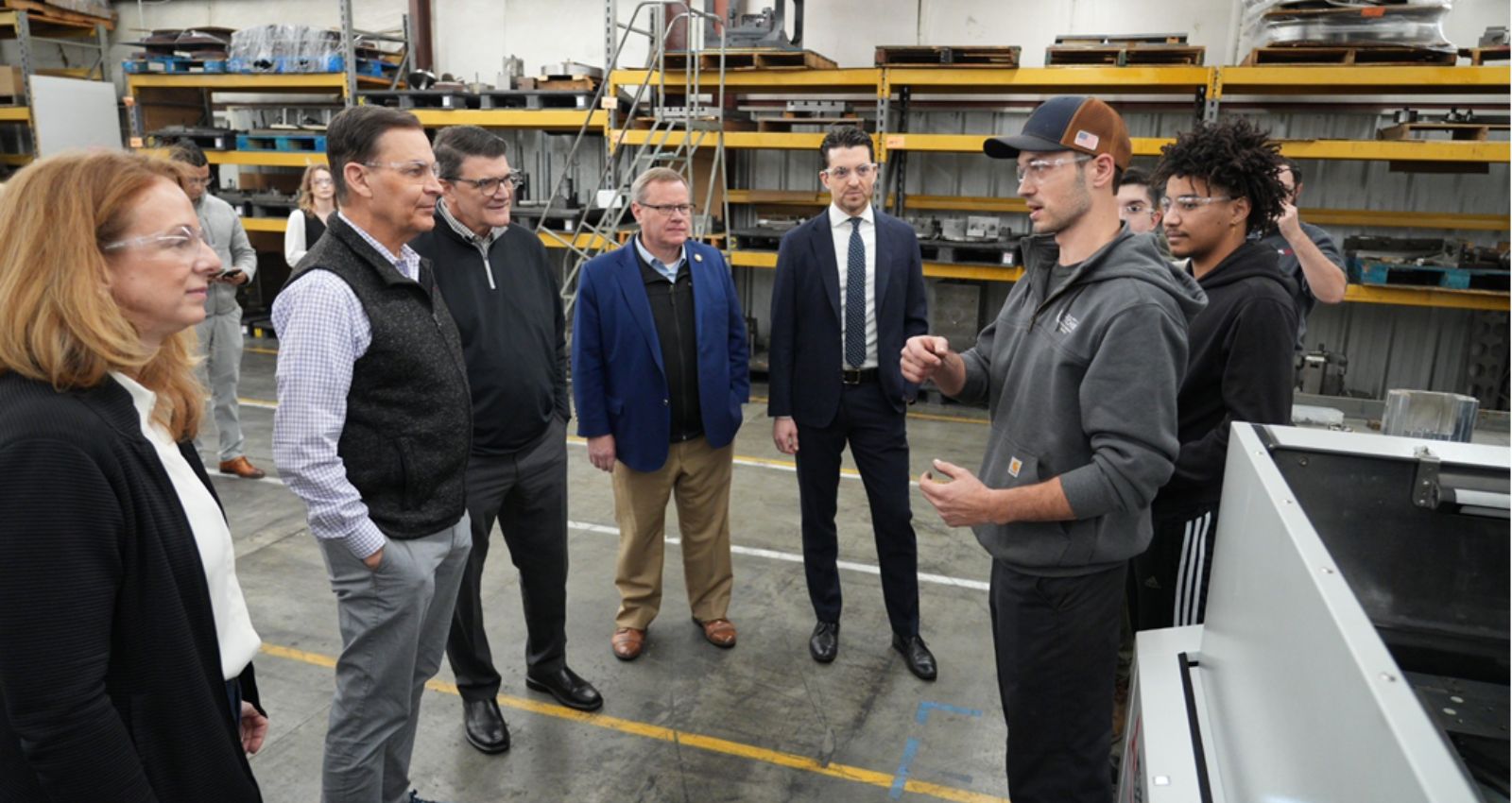
The TCJA, however, had begun to expire in recent years — and the provisions for small manufacturers would have expired entirely at the end of 2025. Fortunately, manufacturers and lawmakers worked together to drive the 2025 tax reforms into law, through H.R. 1, which made the TCJA’s provisions not only permanent — but even stronger.
Thanks to H.R. 1, Silver was finally able to purchase multiple critical pieces of machinery: a dual five-axis machining center, an EDM machine and a cylindrical grinder that will allow Ketchie to compete in new industry markets. Because of the permanent full expensing for equipment provision in the landmark tax law, she can expand her business and continue to invest, grow, compete and hire. As Silver’s shop floor shines, it will inspire and attract the next generation of top talent.
Ketchie’s story is also North Carolina’s story — and it captures the theme of the National Association of Manufacturers’ State of Manufacturing Tour: Then. Now. Tomorrow.
Then, North Carolina built its economy on manufacturing — textiles, furniture, machinery and defense — laying the foundations for generations of growth and opportunity.
Now, manufacturers across the state are proving that with the right policies in place, that legacy can evolve and thrive.
The results speak for themselves. Last month, Corning announced a $6 billion agreement with Meta to expand fiber-optic manufacturing in Concord and Hickory, increasing employment in the state by up to 20%. Scout Motors announced Charlotte will be its new headquarters, creating 1,200 jobs. And Siemens Energy recently announced a $421 million investment in energy equipment in the state — creating 500 jobs statewide.
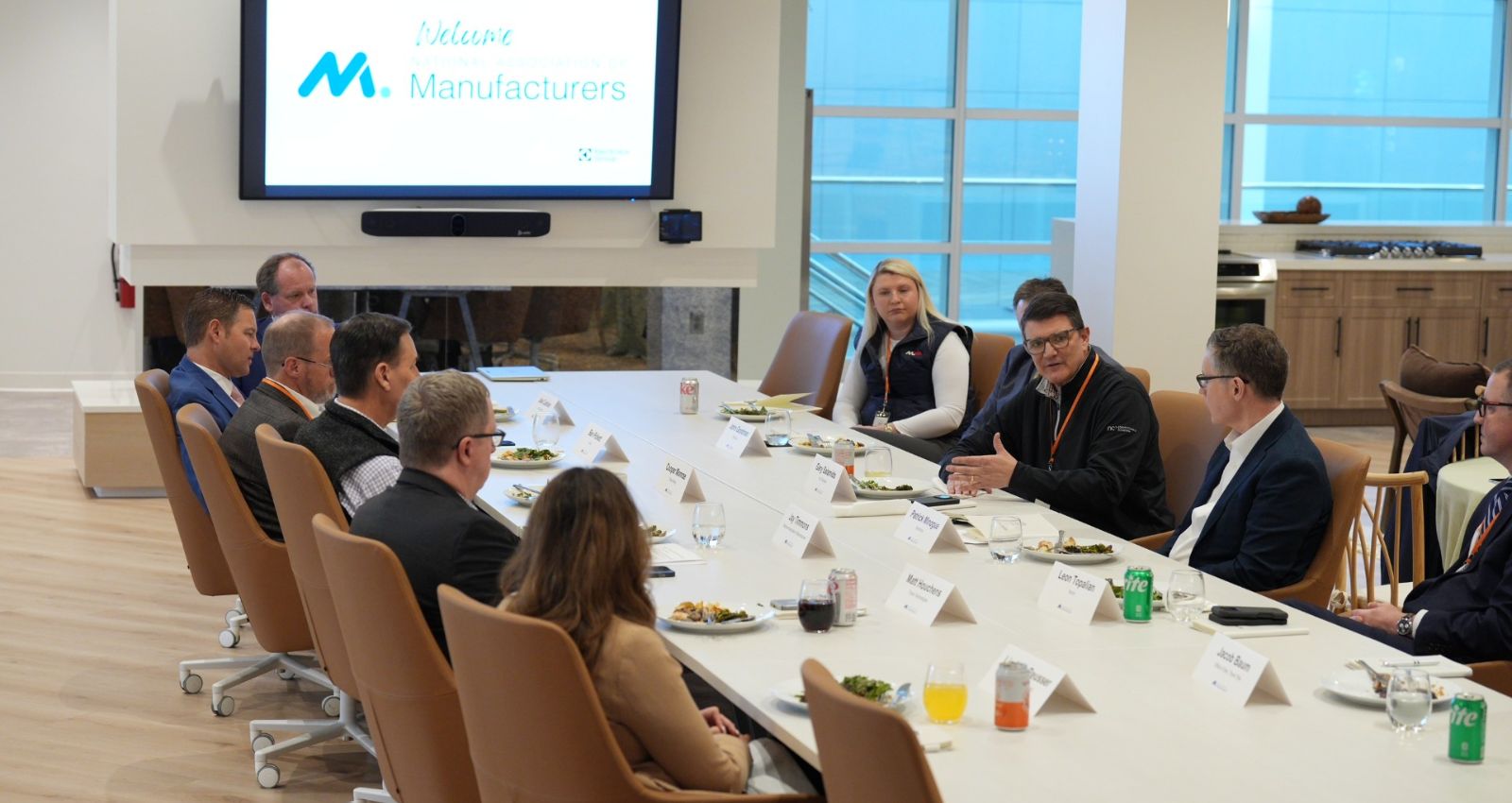
The Tar Heel State is planning for tomorrow. Sustaining success will require continued action from federal policymakers — a strategy that drives our national competitiveness.
Our leaders must advance policies that reduce uncertainty for manufacturers.
That means reforming America’s broken permitting process to get shovels in the ground faster, with fewer delays. It means strengthening American AI leadership by fostering innovation and preventing regulatory overreach. It means bolstering American energy dominance to meet the surging demand, giving manufacturers the ability to produce and use every energy source to meet this moment.
We cannot succeed in any of those areas without a strong workforce. With nearly 2 million manufacturing jobs projected to go unfilled by 2033, we must expand apprenticeships, strengthen technical education and elevate awareness of the high-skill, high-wage careers manufacturing offers.
North Carolina is a place where these policies are working. By choosing the right path today, we can ensure North Carolina’s industrial legacy continues for generations to come.
Gary Salamido is president and CEO of the NC Chamber.
Jay Timmons is president and CEO of the National Association of Manufacturers.